Common Reasons for Commercial Deep Fryer Repairs
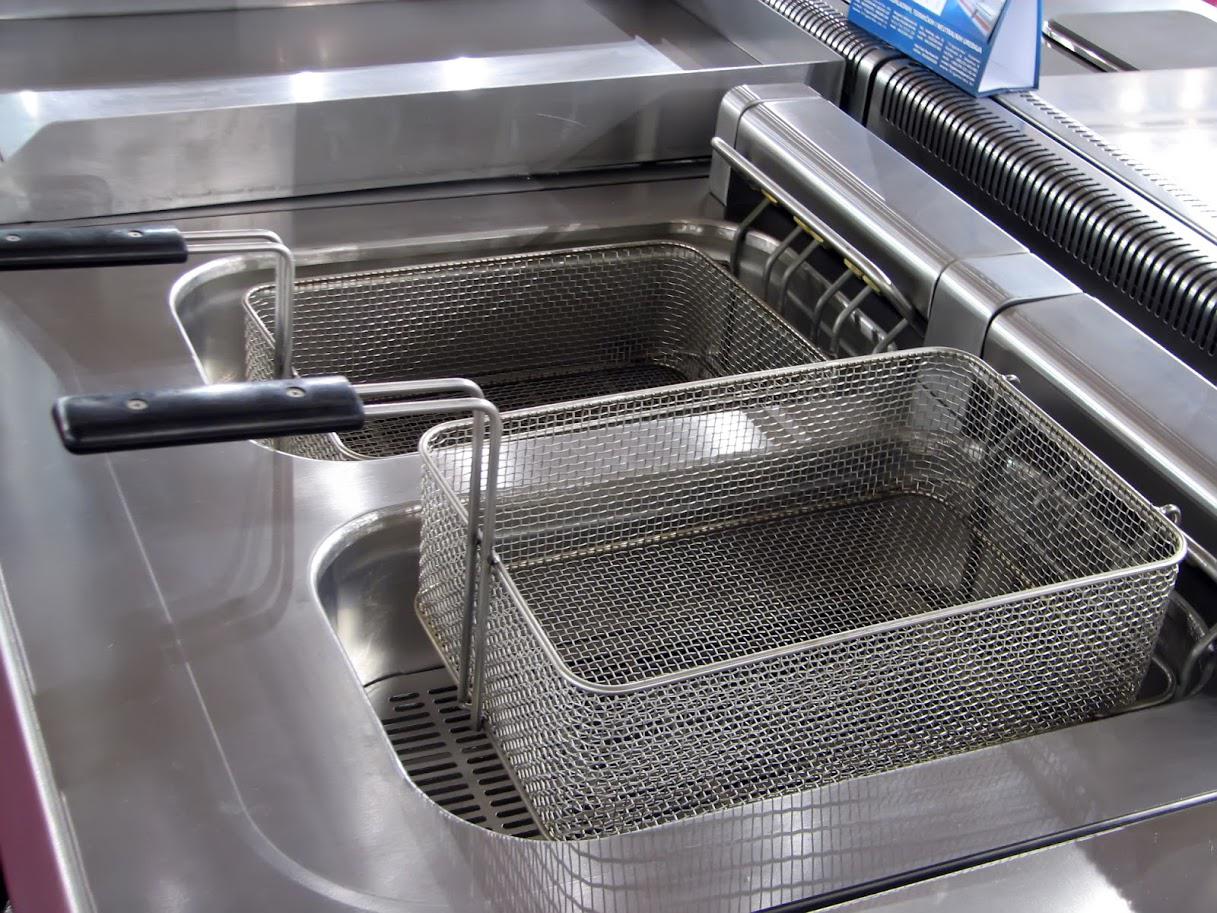
The deep fryer is among the most important workhorses in a commercial kitchen. Problems with the fryer can slow down food preparation and lose you money, especially if deep-fried foods are a major revenue earner for your facility.
If the performance of your deep fryer is less than optimal or the appliance will not work at all, you might be wondering what the problem is. Here are common issues that affect commercial deep fryers.
Broken Thermopile
The thermopile is the deep fryer's heating element. This device converts thermal heat into electric energy, which heats the oil in the fryer. Busy commercial kitchens heat up large quantities of oil for long periods, and this can take a toll on the thermopile.
The thermopile is part of the pilot light. The pilot light is a small gas flame that makes igniting a gas burner easier. A worn thermopile will be unable to convert thermal heat from the pilot light into electrical energy, and therefore, the fryer oil will not heat.
The most common sign of a broken thermopile is a pilot light that will either not go on or will not stay lit. A qualified technician can replace a worn thermopile and fix other possible problems with the pilot light.
Blocked Burners
Grease buildup, food particles, dust, and debris can clog burner orifices. Burners that will not light up at all or those that light up only partially or irregularly might have blocked orifices.
To unblock clogged burners, use a stiff brush over the burners to remove particles or debris that may be jamming the orifices. If the burners still produce fluctuating flames after you brush them, the problem could be low or inconsistent gas pressure. If the fuel supply is adequate, damaged fuel lines could be the reason why the fryer burners do not ignite.
Do not attempt to fix fuel lines on your own. Ask your technician to assess your fryer for potential problems with the fuel supply lines.
Faulty Thermostat
The thermostat regulates fryer oil temperatures. As the heating element delivers the requisite heat to the fryer basket, the thermostat monitors this heat transfer and cuts off the process when the oil attains a certain temperature. This mechanism ensures that the oil remains at the set temperature based on the food you are preparing.
A faulty thermostat will allow the oil to overheat, resulting in undesirably crispy food. Alternatively, the oil may not heat to the desired temperature, which can result in oil-drenched or soggy food.
Faults with the thermostat may be due to incorrect calibration or disconnected wires. You can fix this simply by reconnecting the wire or resetting the thermostat. If the problem does not resolve, the thermostat may need replacing. Let a qualified technician install a new thermostat for your fryer.
Malfunctioned High Limit Switch
In addition to a faulty thermostat, a defective high-temperature limit switch could also prevent the fryer oil from heating to the desired temperature.
The high-temperature limit switch monitors the fryer temperature and conveys this information to the thermostat, which then turns the heating element on or off based on the set temperature limits.
A bad high-temperature switch limit will fail to detect when the fryer temperature exceeds the set limit and this information will therefore not be available to the thermostat, which regulates the fryer temperatures. Replacing a faulty high-limit switch should solve the problem.
Preventative maintenance can extend the service life of your deep fryer and mitigate costly downtimes. While some fryer repairs may be straightforward, consider leaving extensive repair and replacement work to a reputable technician.
Whether you want to fix your deep fryer or you need a preventative maintenance plan for your restaurant equipment, you can trust the experts at Golden State Equipment Repair . Give us a call today to discuss your needs.